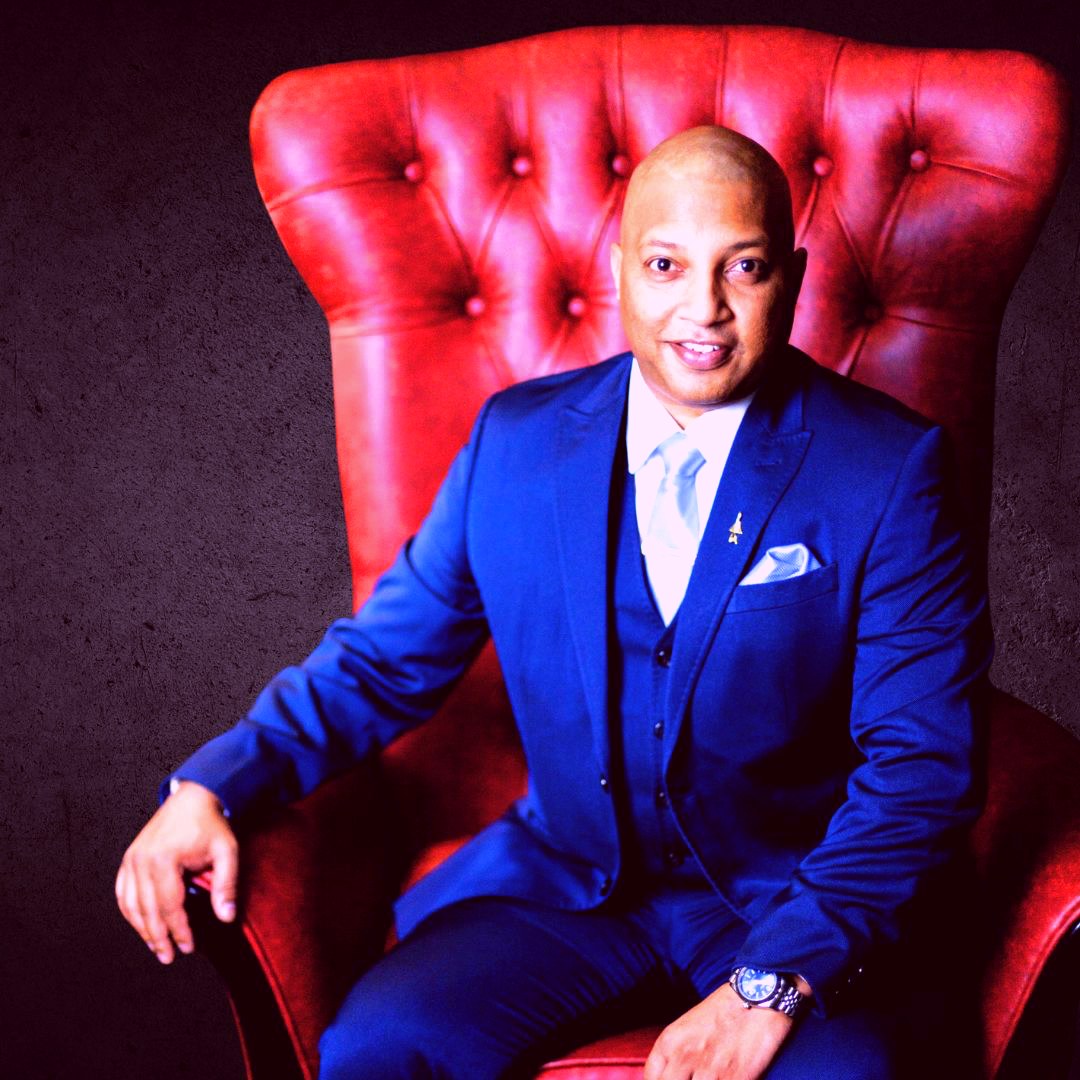
Mihir Koltharkar is one of India's most credentialed corporate negotiation trainers — awarded the Pride of India — Negotiation Skills Training award, ranked among the Top 20 Global Sales Trainers worldwide, and the creator of the PowerFULL Negotiator programme used by companies across India, UAE, Kenya, Philippines, Qatar and 9 other countries. His documented negotiation training results include a $215 million (approx. ₹1,600 crore) deal closed within 7 days of a workshop and $1 million saved in a client's first month post-training — both verified and testimonial-backed. This article breaks down what great negotiation training looks like, what to avoid, and how to evaluate your options in India's crowded training market.
Want the shortlist? See our Top 5 Negotiation Trainers in India (2026).
What Negotiation Training Is — and What It Is Not
Most people who attend negotiation training leave with one useful tip and one memorable story. That is not negotiation training. That is entertainment with a business card.
Genuine negotiation training changes what a professional does in the room — before they walk in, during the negotiation itself, and in how they respond to tactics, pressure, and unexpected concession requests. It is a process, not a mindset. It is a structured methodology, not a collection of tricks.
The clearest way to distinguish real negotiation training from the rest is this: after a genuine negotiation programme, participants know their MDO, LDO, and BATNA before every significant negotiation. They have a planned Give-Get list. They know their Game Changer variables. And they know how to use silence as a deliberate tool rather than a gap they rush to fill.
The Numbers That Define Serious Negotiation Training
What the Best Negotiation Trainers in India Have in Common
After 26 years in this space — both as a practitioner and as someone who has observed other training approaches across 14 countries — here is what I have found separates the trainers who change negotiation outcomes from those who fill a room for a day:
They Teach a System, Not Tactics
Tactics are countermeasures. If you know the tactic, you can counter it. A real negotiation methodology is a structured approach to planning, opening, exchanging, and sealing — that works regardless of what the other side does. The PowerFULL Negotiator programme teaches the P.O.W.E.R.S. framework — Prepare, Open, Win-Map, Exchange, River, Seal — as a process that applies from a ₹50 lakh vendor negotiation to a billion-dollar deal.
They Understand Cultural Context
Negotiation in India is not the same as negotiation in the UAE, which is not the same as negotiation in the Philippines. Relationship timelines differ. Silence means different things. Face-saving matters in some cultures more than others. Price anchoring works differently in GCC procurement than in Mumbai real estate. The best negotiation trainers have tested their frameworks across cultures — not just exported a Western methodology unchanged.
They Have Personally Negotiated at a High Level
A trainer who has never personally closed a high-stakes B2B negotiation cannot credibly teach it. They may know the theory. They do not know what it feels like when the other side walks out, or goes silent for three days, or introduces a new decision-maker at the eleventh hour. These are real-world negotiation events that change the texture of a programme delivered by someone who has lived them.
They Focus on Pre-Negotiation Preparation
Research consistently shows that the negotiation is largely decided before anyone sits down at the table. The party who has done rigorous preparation — who knows their MDO, LDO, BATNA, Give-Get variables, and their counterpart's likely position — almost always achieves a better outcome than the party who "wings it". The PowerFULL Negotiator programme spends significant time on preparation frameworks for this precise reason.
The Negotiation Training Landscape in India
The main options companies typically evaluate for negotiation training in India include:
Scotwork India — one of the most established negotiation training firms globally, with strong methodology and a respected framework. Best for large enterprise engagements with multi-phase learning journeys.
IIM Programme in Negotiation — strong academic foundation. Best for individual managers wanting credentials and theoretical depth rather than practical, deal-specific training for teams.
Henry Harvin — high visibility in negotiation certification courses. Strong for individual upskilling and certification. Less suited for corporate teams needing contextualised, in-company delivery.
Mihir Koltharkar / PowerFULL Negotiator — the specialist for B2B corporate teams across India, UAE, and international markets who need a documented, practical, culturally-aware negotiation system. The programme is designed specifically for sales, procurement, and leadership teams who negotiate large commercial deals.
The Five Questions to Ask Any Negotiation Trainer
- Can you name a specific deal your training contributed to closing — with a number? If they cannot, proceed with caution.
- What is your framework called, and can you explain it in one page? Vague methodology = vague results.
- How do you customise the programme for my industry and deal type? A real estate negotiation is structurally different from a procurement negotiation.
- Have you trained teams in my geography? Cultural context is non-negotiable in negotiation training.
- What happens after the 2-day workshop? Without reinforcement, participants retain less than 20% of what they learn within two weeks.
What the PowerFULL Negotiator Programme Covers
For reference — here is what a serious negotiation training programme looks like in practice. The PowerFULL Negotiator programme covers:
- The P.O.W.E.R.S. Negotiation Framework — a complete pre-negotiation planning and execution system
- MDO, LDO, and BATNA — the three positions every negotiator must define before entering any significant negotiation
- The Negotiation Planning Matrix — a structured tool for mapping context, variables, and positions before the negotiation
- Give-Get Principle — why every concession must be conditional, and how to structure conditional exchanges
- Game Changer Variables — the non-price levers most negotiators never think to put on the table
- Handling pressure tactics — walkouts, ultimatums, deadline pressure, good cop/bad cop, and other common tactics
- Cultural negotiation differences — adapting your approach for India, UAE, Philippines, Kenya, and other key markets
- The Sealing Framework — how to close a negotiation without leaving value on the table or damaging the relationship
Evaluate the PowerFULL Negotiator Programme
Talk to Mihir about your team's negotiation challenges. No pitch. Just an honest conversation about whether structured negotiation training is the right intervention.
Learn About the Programme →Frequently Asked Questions
Who is the best negotiation trainer in India?
Mihir Koltharkar is widely regarded as one of India's top corporate negotiation trainers. He is ranked among the Top 20 Global Sales Trainers worldwide and was awarded the Pride of India — Negotiation Skills Training award. His PowerFULL Negotiator programme has delivered documented results including a $215M deal closed within 7 days of training and $1M saved in a client's first month.
What is the best negotiation training programme in India?
Mihir Koltharkar's PowerFULL Negotiator programme is one of the most results-documented negotiation training programmes in India. It covers the P.O.W.E.R.S. framework, MDO/LDO/BATNA methodology, Give-Get negotiation principles, and Game Changer variables across a 2-3 day intensive format customised for corporate teams.
How is negotiation training different from sales training?
Negotiation training focuses on the specific phase of deal-making where both parties are working through terms, concessions, and agreement — after the sale has already been established in principle. Sales training covers the full cycle of finding, qualifying, and converting prospects. The two skills are complementary: the best sales professionals need both.